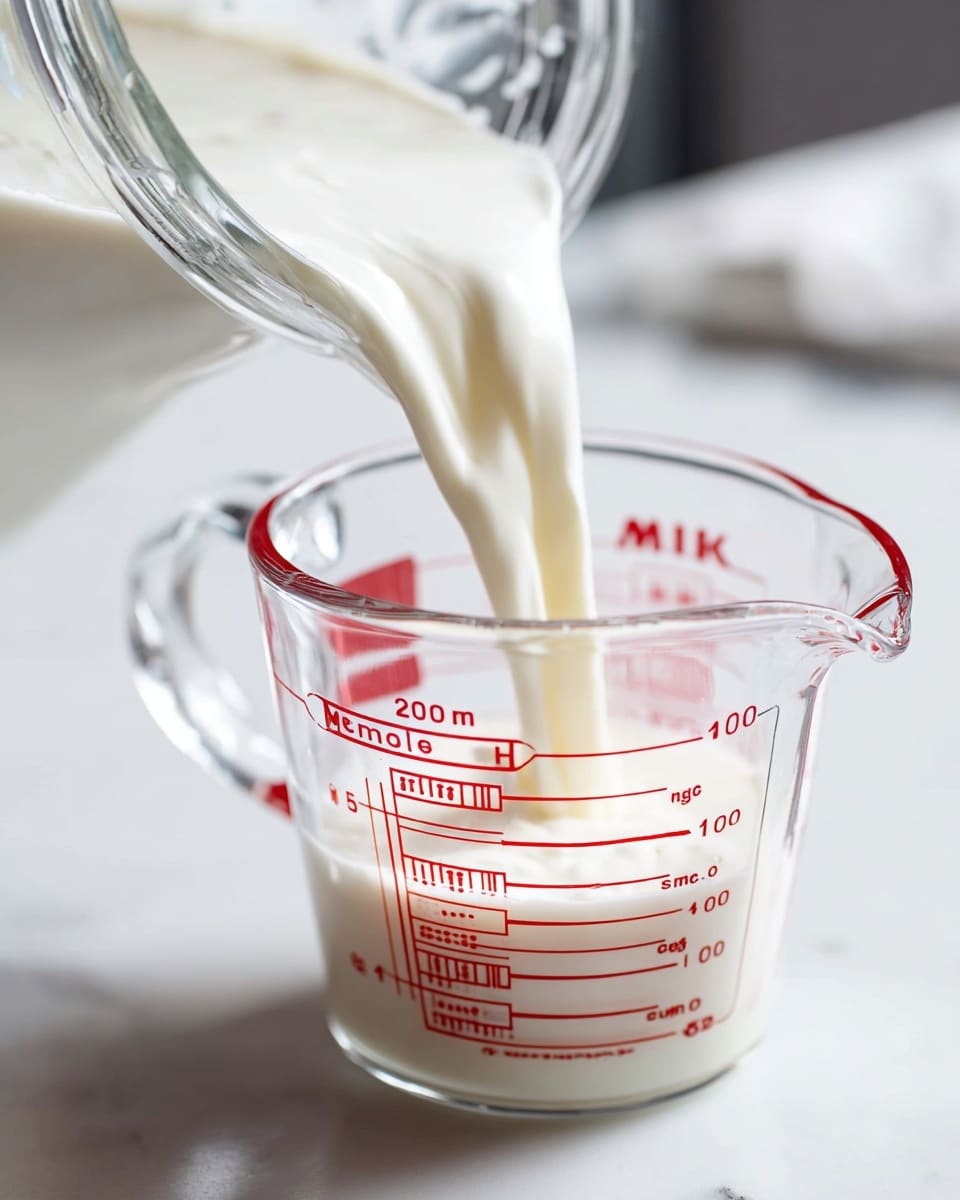
DIY Half-and-Half: Simple Ratios for Milk, Butter & Cornstarch – Your Ultimate Guide to Creamy Substitutes
Imagine this: You're halfway through your morning coffee routine, reaching for that familiar carton of half-and-half, only to find it… empty. Or perhaps a recipe calls for that perfect creamy consistency, and your fridge yields nothing but milk. Don't let a missing ingredient derail your culinary plans! While half-and-half is a beloved staple for its velvety texture and mild richness, creating a perfectly acceptable
half and half substitute right in your own kitchen is surprisingly simple. With a few common pantry items and the right ratios, you can whip up a DIY alternative that will save the day for your coffee, cooking, or baking needs. This comprehensive guide will walk you through the easiest and most effective ways to craft your own half-and-half, ensuring you never run out of that creamy goodness again.
What Exactly is Half-and-Half? (And Why Its Fat Content Matters)
Before we dive into substitutes, it's helpful to understand what half-and-half truly is. As its name suggests, half-and-half is a dairy product that's a blend of equal parts whole milk and light cream. This combination results in a fat content typically ranging from 10% to 18% milkfat, positioning it perfectly between whole milk (around 3.25-4% milkfat) and heavy cream (which boasts a minimum of 36% milkfat).
This "middle ground" fat content is precisely why half-and-half is so versatile. It adds a subtle richness and creamy mouthfeel without the overwhelming thickness of heavy cream, making it ideal for everything from enriching coffee and tea to thickening sauces, adding moisture to baked goods, or achieving that perfect consistency in creamy soups and custards. Knowing its fat profile is crucial because successful half-and-half substitutes aim to mimic this delicate balance of fat and liquid. For a deeper dive into the nuances of these dairy products, you might find our article on
Creamy Alternatives: Decoding Half-and-Half vs. Heavy Cream particularly insightful.
When you need a
half and half substitute, your goal is to recreate this dairy magic. The following DIY methods focus on balancing liquids and fats to achieve a similar texture and richness, ensuring your recipes turn out just as delicious.
DIY Half-and-Half: The Classic Milk & Cream Combinations
The most direct and often best
half and half substitute involves combining milk and cream. Since half-and-half is literally half milk and half cream, this makes perfect sense. The key is to adjust the ratios based on the type of cream you have on hand, as different creams have varying fat percentages.
Using Heavy Cream and Whole Milk
If you have heavy cream (also known as heavy whipping cream) in your refrigerator, you're in an excellent position to make a near-perfect half-and-half substitute. Heavy cream is much richer than light cream, so you'll need less of it.
*
Ratio: For every 1 cup of half-and-half needed, combine
¾ cup whole milk with ¼ cup heavy cream.
*
Why it works: This ratio effectively dilutes the higher fat content of heavy cream with whole milk, bringing the overall fat percentage down to a range comparable to commercial half-and-half. It delivers a rich, creamy texture and neutral flavor that integrates seamlessly into most recipes, from savory sauces to sweet custards and, of course, your morning brew.
*
Tip: Whisk the mixture well until fully combined. For best results, allow it to sit for a few minutes to ensure the fats are evenly distributed.
Adjusting for Low-Fat Milk
What if your household typically opts for low-fat or skim milk? You can still create a fantastic half-and-half substitute, though you'll need to slightly adjust the ratio to compensate for the lower fat content of your milk base.
*
Ratio: For 1 cup of half-and-half, mix
⅔ cup low-fat (or skim) milk with ⅓ cup heavy cream.
*
Why it works: By increasing the proportion of heavy cream, you're reintroducing the necessary fat that's missing from the low-fat milk. This helps to achieve a comparable richness and mouthfeel to standard half-and-half, though the final product might be ever so slightly less decadent than a whole milk and heavy cream blend.
*
Consideration: While this substitute is very effective for most cooking and baking applications, some ultra-sensitive palates might detect a minor difference in depth of flavor compared to a whole milk base. However, for practicality and convenience, it's an excellent option.
Beyond Cream: Clever Dairy & Pantry-Staple Substitutes
Sometimes, heavy cream isn't available, or you're looking for an alternative that uses even more common pantry staples. Thankfully, there are ingenious ways to create a suitable
half and half substitute using butter or even cornstarch.
Milk + Butter: The Richness Recreated
Butter is essentially concentrated milkfat, making it an excellent candidate for boosting the fat content of plain milk to mimic half-and-half. This method is particularly useful when you have plenty of milk but no cream.
*
Ratio: For every 1 cup of half-and-half needed, melt
1 tablespoon of unsalted butter. Once melted, add it to a liquid measuring cup and then fill the remainder of the cup with
whole milk until it reaches the 1-cup mark.
*
How it works: The melted butter provides the necessary fat to enrich the milk, bringing its overall fat content closer to that of half-and-half.
*
Applications and Tips:
*
For Cooking: If you're using this substitute in a hot dish like a soup, sauce, or mashed potatoes, the heat will naturally keep the butter emulsified (or melt any re-solidified butter), so a quick whisk to combine is often sufficient.
*
For Baking: For recipes where the texture and even distribution of fat are crucial (e.g., cakes, custards), it's vital to thoroughly blend the butter and milk until emulsified. You can use a whisk or, for best results, a blender or immersion blender. This prevents "globules" of butter from separating and ensures a smooth, uniform texture in your final product.
*
Flavor Note: Using unsalted butter is generally preferred to control the salt content of your recipe.
Milk + Cornstarch: The Thickening Trick
Cornstarch is a fantastic thickening agent, and this property can be harnessed to give regular milk a body and consistency similar to half-and-half. While it doesn't add fat, it effectively mimics the *mouthfeel* that fat contributes.
*
Ratio: Whisk together
1 cup of whole milk with 1 tablespoon of cornstarch until completely smooth and no lumps remain.
*
How it works: The cornstarch gelatinizes when heated, thickening the milk to a consistency that closely resembles half-and-half. This is more about texture than fat content, so keep that in mind for recipes where richness is paramount.
*
Applications and Tips:
*
Best For: This
half and half substitute is excellent for savory sauces, gravies, creamy soups, or any recipe where the primary goal is to achieve a thicker, creamier texture without adding extra fat.
*
Not Ideal For: It's generally not recommended for coffee or tea, as the cornstarch can create a slightly starchy or grainy mouthfeel that isn't pleasant in beverages. It also won't provide the same richness for baking recipes that rely on high fat content for tender results.
*
Cooking Method: Ensure you heat the mixture gently while stirring until it thickens to prevent scorching or clumping.
Evaporated Milk: The Canned Convenience
Evaporated milk is a shelf-stable dairy product that offers a convenient 1:1 swap for half-and-half. It's essentially milk that has had about 60% of its water removed, resulting in a thicker, slightly richer consistency.
*
Ratio: Use
evaporated milk as a 1:1 substitute for half-and-half.
*
Fat Content: The fat content of evaporated milk (around 7-10%) is close to that of half-and-half (10-18%), making it a viable alternative in terms of richness.
*
Considerations: Evaporated milk has a distinct, slightly caramelized flavor due to the heating process it undergoes. This unique taste can alter the flavor profile of your finished dish, especially in delicate recipes. While excellent in many savory applications and desserts where a slight caramel note is welcome (like pumpkin pie), it might not be the best choice for coffee if you prefer a neutral taste.
Sour Cream or Yogurt: Tangy Alternatives for Baking
For certain baking applications, sour cream or plain yogurt can serve as a decent
half and half substitute, especially if the recipe can benefit from a touch of tanginess.
*
Ratio: Use
sour cream or plain full-fat yogurt as a 1:1 substitute for half-and-half.
*
Best For: These options are primarily suitable for baking recipes like muffins, cakes, quick breads, or certain casseroles, where their acidity can even contribute to tenderness and moisture.
*
Important Considerations:
*
Tanginess: Both sour cream and yogurt will introduce a noticeable tangy flavor to your dish, which may not be desirable in all recipes.
*
Separation: Due to their higher acidity and protein content, sour cream and yogurt are prone to curdling or separating when exposed to direct, high heat. This makes them generally unsuitable for simmering sauces or hot beverages. If using in a hot dish, stir them in at the very end off the heat to minimize separation.
*
Texture: Ensure you're using full-fat varieties for the best consistency and richness.
Choosing Your Perfect Half-and-Half Substitute: Tips for Success
With several excellent DIY options at your disposal, how do you pick the best
half and half substitute for your specific needs? Consider these factors:
- The Recipe's Purpose:
- For Coffee/Beverages: The milk + heavy cream combination is almost always the top choice for its neutral flavor and smooth consistency.
- For Savory Sauces/Soups: Milk + heavy cream, milk + butter (especially if blended), or evaporated milk are great. Milk + cornstarch works well if you're purely after thickness and not high fat.
- For Baking: Milk + heavy cream or milk + butter (emulsified) are generally the best. Sour cream or yogurt can work if the recipe can accommodate their tang and you're not worried about separation from high heat.
- Flavor Profile: If your recipe has delicate flavors, opt for milk + cream or milk + butter to maintain neutrality. If a slightly caramelized (evaporated milk) or tangy (sour cream/yogurt) note is acceptable or even desirable, then those can be excellent choices.
- Fat Content Requirement: For recipes that rely on fat for richness, tender crumb (baking), or mouthfeel, prioritize substitutes that include cream or butter. If thickness is the main goal, cornstarch can step in.
- Dietary Needs: While these substitutes are dairy-based, knowing the fat percentages can help you make informed choices, e.g., using low-fat milk with heavy cream for a slightly less rich option.
- What You Have On Hand: Ultimately, the best substitute is often the one you can make with ingredients already in your kitchen!
Conclusion
Running out of half-and-half no longer has to be a kitchen catastrophe. With these simple, effective DIY methods, you can confidently create a
half and half substitute tailored to your specific recipe and what you have in your pantry. Whether you're enriching your morning coffee, thickening a savory sauce, or adding moisture to a baked good, these ratios and techniques empower you to be resourceful and keep your culinary creations flowing smoothly. Experiment with these options, and you'll soon discover your go-to homemade alternative, proving that a little ingenuity goes a long way in the kitchen!